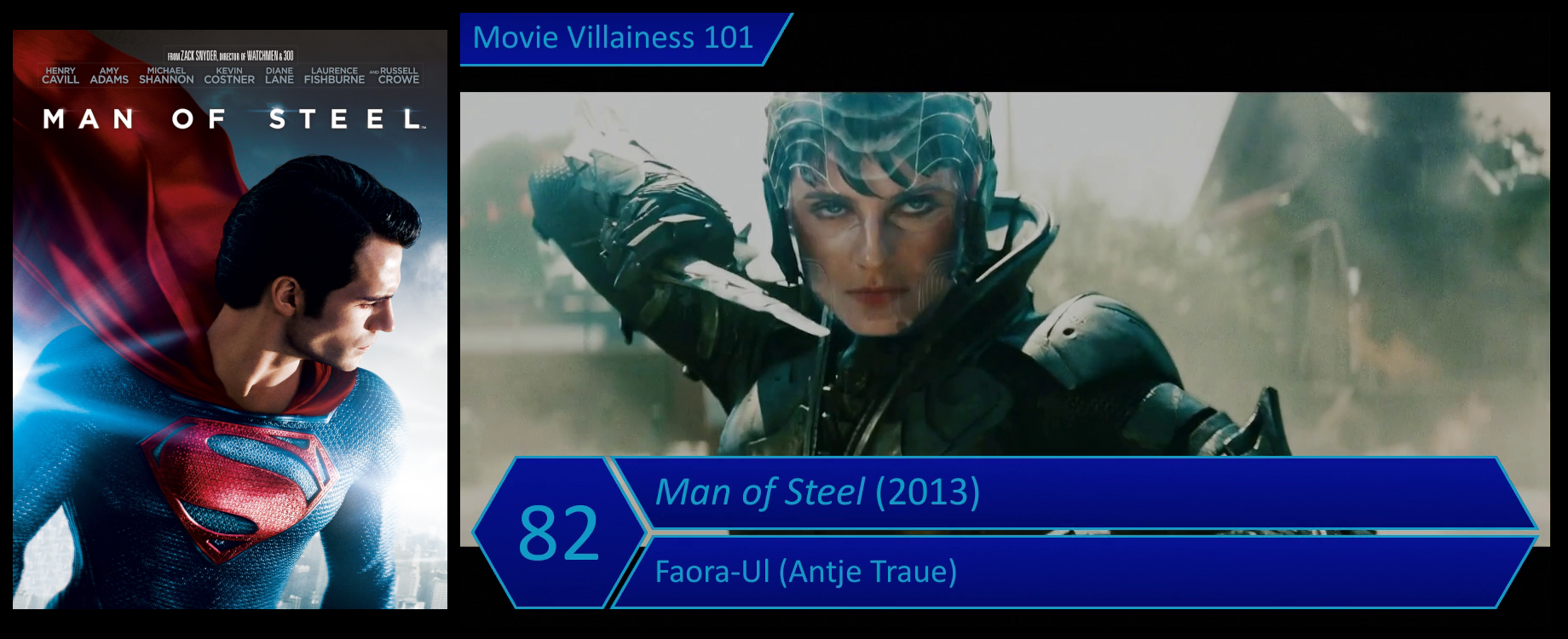
Movie
Man of Steel (2013)
Another movie in the never-ending deluge of Hollywood reboots, this is a solo outing for Superman. One difference from earlier adaptations is that the hero doesn’t work at the Daily Planet. He only takes on his Clark Kent “disguise” in the film’s last scene.
When reworking a franchise, it’s a good idea to revisit the previous movies, reuse the ideas that worked well, and ditch the rest. That appears to be the strategy. Man of Steel combines the origin story from Superman: The Movie (1978) with the rogue Kryptonian villain arc from Superman II (1980). As in the latter film, the main villain is General Zod, with Michael Shannon taking on the role previously played by Terence Stamp.
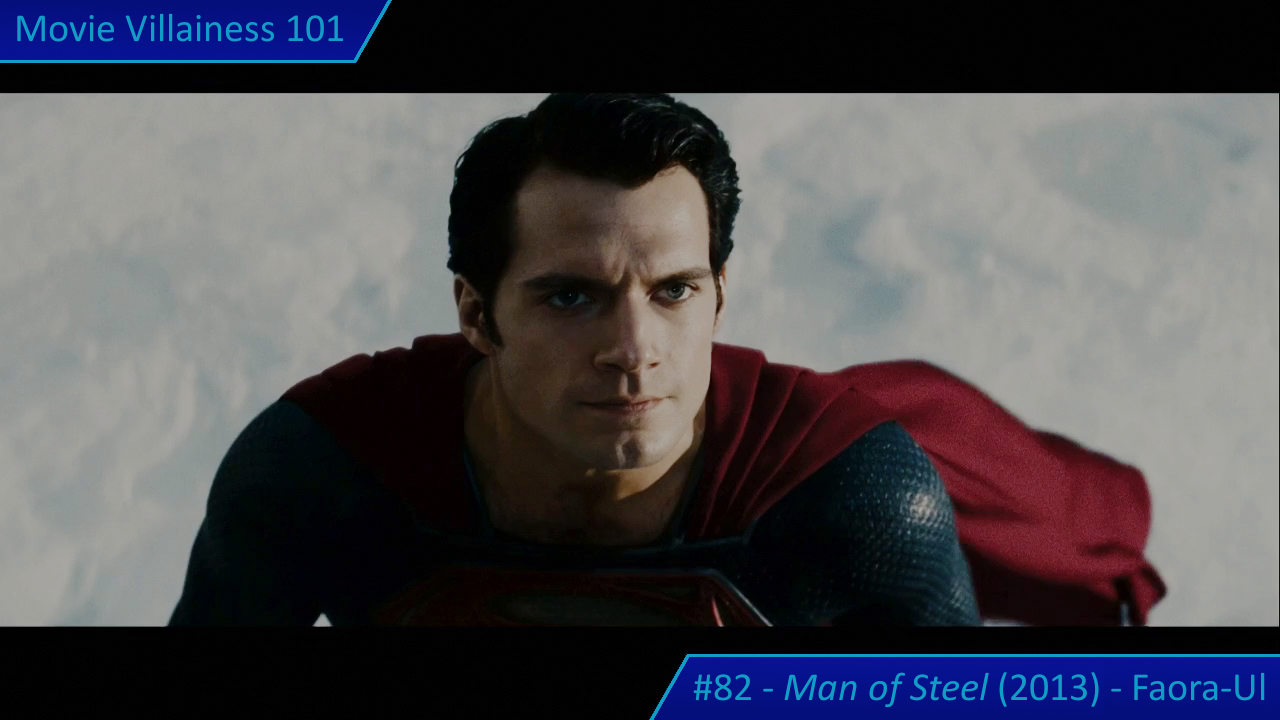
Besides the obvious improvement in special effects and scope, the pacing is superior to the 1978 film, where the villain’s plot only came into play later on. And Zod doesn’t have to share the stage with the overused Lex Luthor. In the DC Extended Universe movies, that character was saved for Batman v Superman: Dawn of Justice (2016).
The first act centres on Superman’s struggle with his identity and reporter Lois Lane’s investigation into his mysterious past. Things ramp up when Zod and his Krypton followers arrive on Earth, with a nefarious scheme to terraform the planet and wipe out humanity. With superhuman powers of their own, the villains are worthy adversaries and don’t need to rely on kryptonite to weaken the hero.
Villainess
Faora-Ul (Antje Traue)
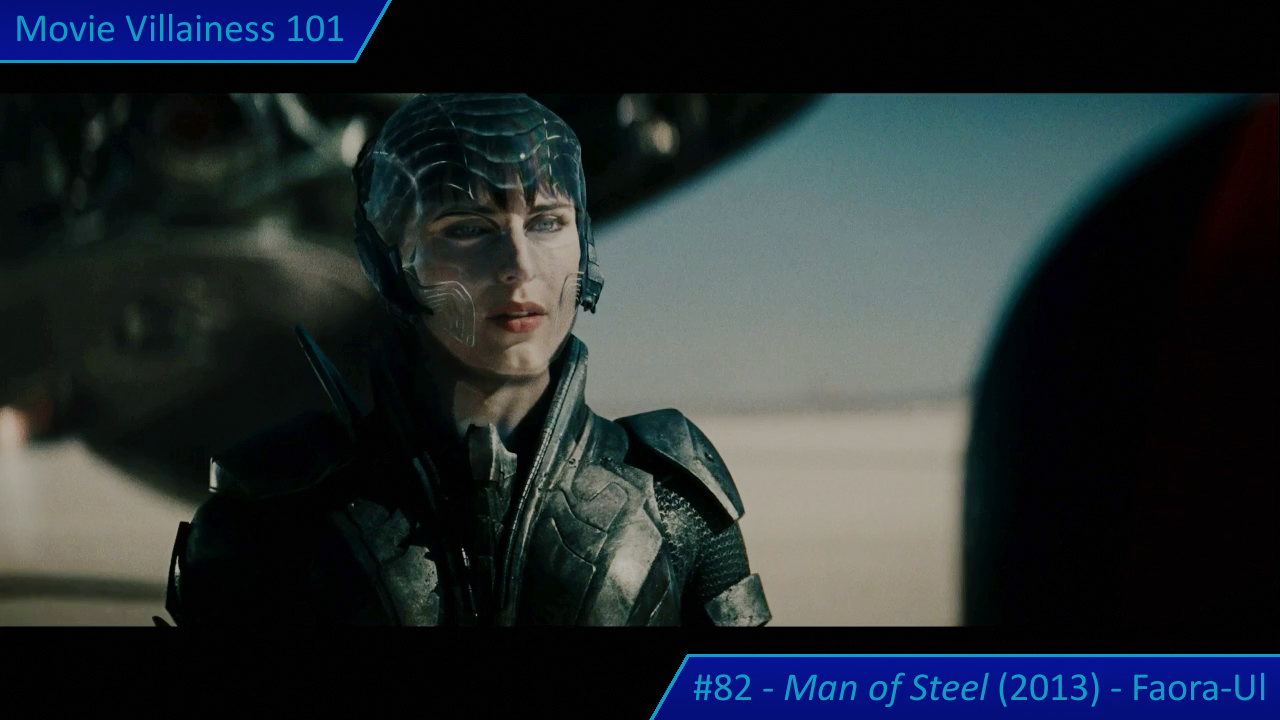
Ursa and Faora-Ul are two distinct characters in the comics, but they fill the same role as Zod’s second in command. Overall, I prefer the villainess in Man of Steel because her physical confrontations are better staged.
Faora appears in the Krypton-set prologue as part of Zod’s rebellion. Following their defeat, the rebels are sentenced to the Phantom Zone until (as in Superman II) a cosmic event frees the villains. Superman is the son of the man who imprisoned them, so the vengeful general travels to Earth.
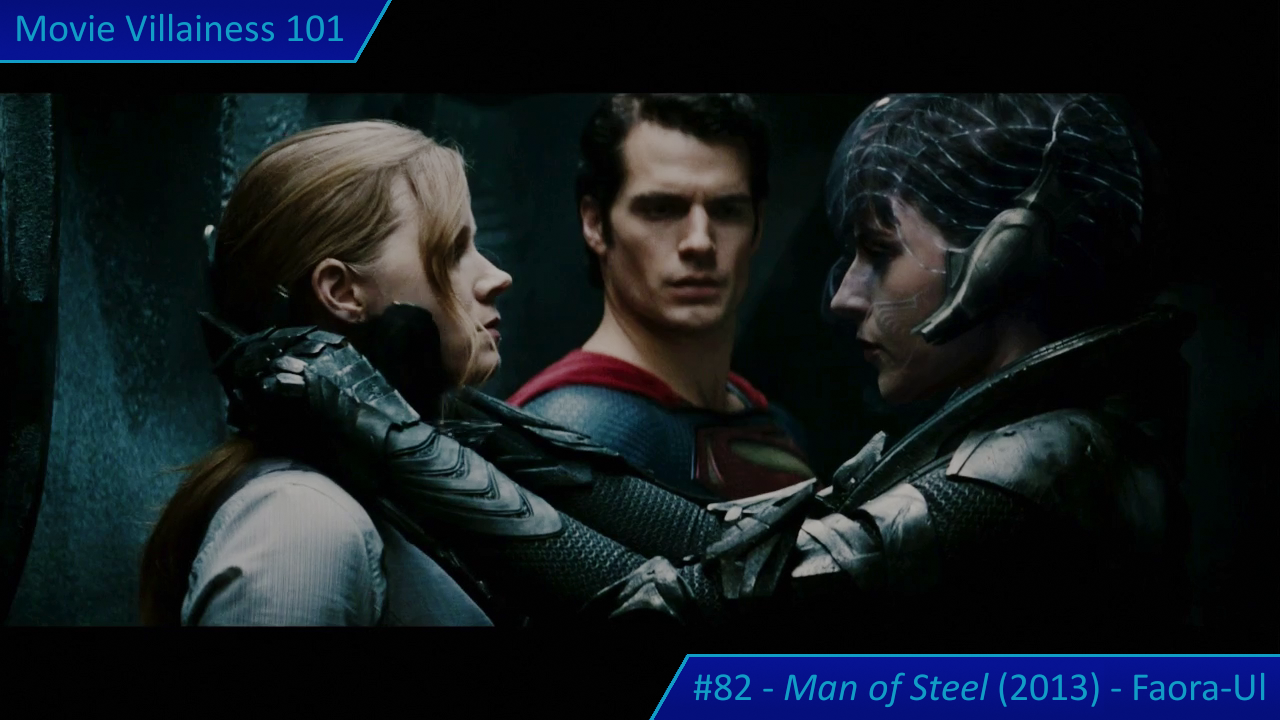
Zod and his underlings brush aside tanks and gunships and make a televised demand that the authorities turn Superman over to them. It’s then that the villainess introduces herself, leading to an explosive series of action set pieces. These culminate in a one-on-one battle with Superman. Rules about male/female fights have been relaxed over the last forty years. They are now expected to be brutal, and this one certainly delivers.
The winner is debatable, as both Superman and Faora are invulnerable to each other’s attacks. Neither pulls any punches, as entire buildings get destroyed during an epic fight that lasts several minutes.
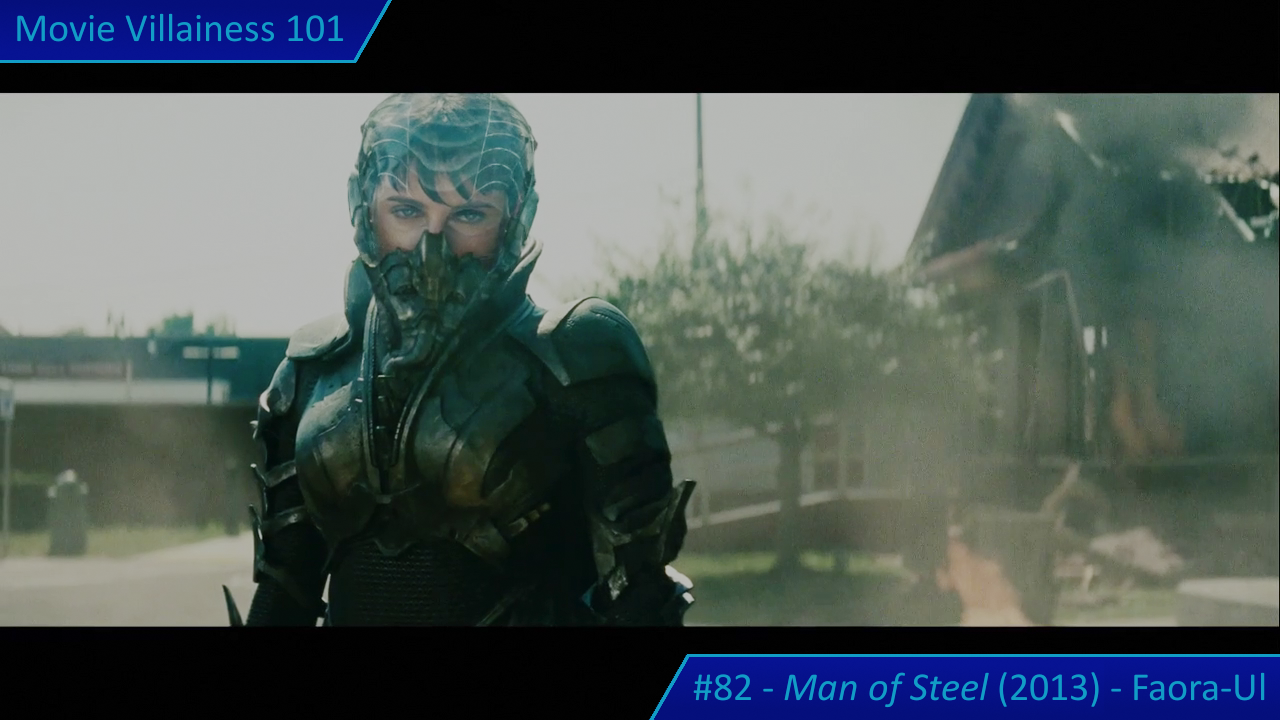
Arguably, the most memorable encounter is when an ordinary soldier challenges Faora with a knife. Brave and foolish, and it would have meant certain death save for a last-second intervention from Superman. In the finale, the soldier commits suicide by crashing a spaceship (with Faora on board) into an alien device, a heroic act which returns the villainess to the Phantom Zone.
Honourable Mentions: Detective Comics (DC)
Superman II (1980) – Ursa (Sarah Douglas)
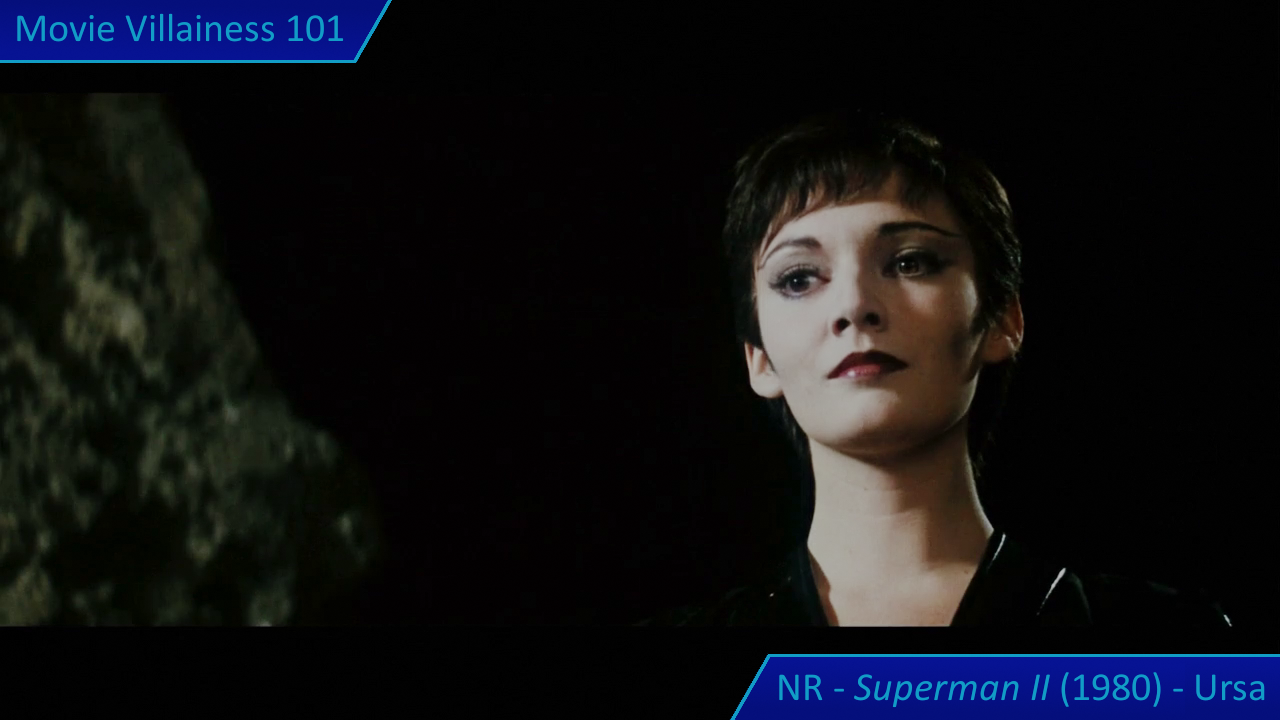
It wouldn’t be fair to discuss Faora without mentioning Ursa. The character was created especially for the movie franchise because of a shortage of female villains in the source material. It’s actually she who first encounters the humans during a lunar mission.
A spaceman is understandably shocked to see an unsuited woman float down and survive in the vacuum of space. Curious, Ursa pulls off his NASA badge, which ruptures his suit. Collecting trophies becomes a thing, and she adds a sheriff’s star and general’s stripes to her black outfit.
Ursa gets physical in confrontations with Superman, but never has a one-on-one battle like Faora in the reboot. Some of the action is tame by today’s standards, but Douglas still makes a fine villainess. She also has the honour of being the last villain standing after Superman strips his foes of their powers. Lois Lane gets to deliver the knockout punch, accompanied by a fitting one-liner.
Wonder Woman (2017) – Dr Maru (Elena Anaya)
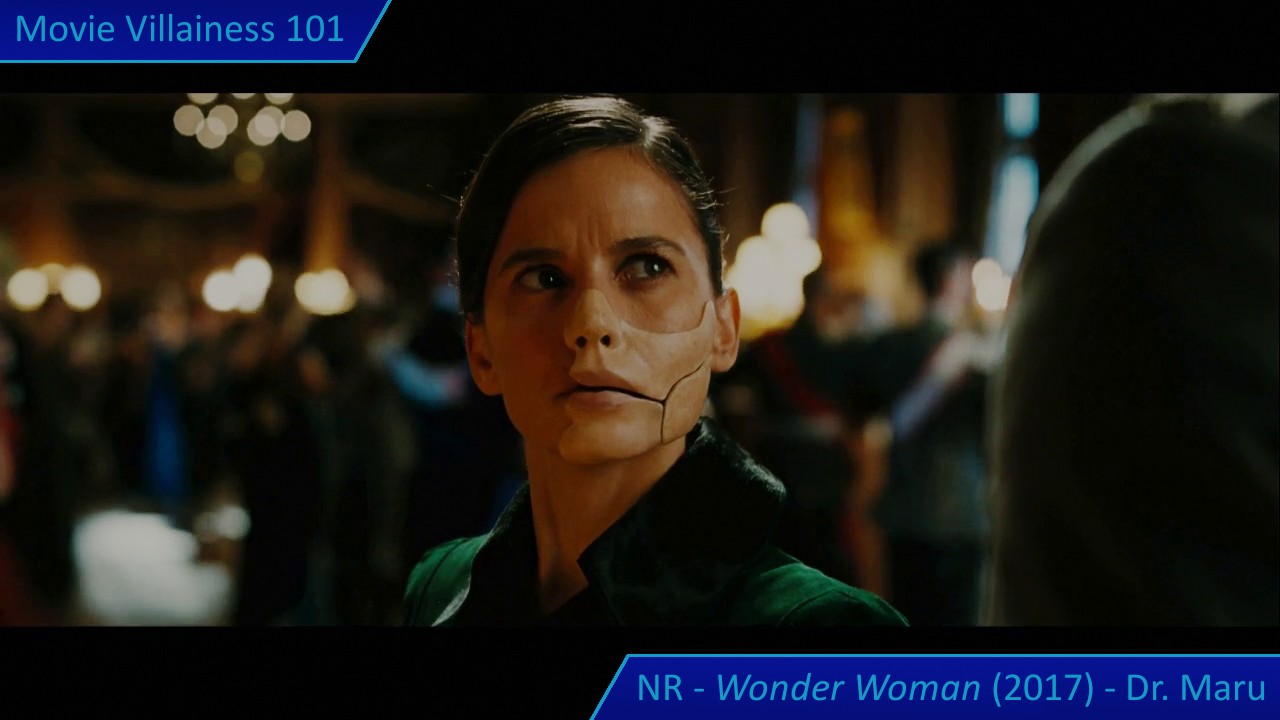
The female villain’s role in the first Wonder Woman movie is relatively small. Dr Maru (better known as Dr Poison) is a scientist who develops a corrosive gas which could impact the outcome of World War I. Hardly a minor contribution, but she’s a secondary antagonist to Greek god Ares.
Maru has a creepy aura thanks to the mask she wears to hide disfigurement. She also chuckles with the fake, big bad Ludendorff after gassing a room full of German officers. Then the real villain shows up in an overblown CGI finale, and the lethal poison plot becomes an afterthought. In the end, Maru’s fate is ambiguous after Wonder Woman discovers the value of love and spares the villainess’ life.
Wonder Woman 1984 (2020) – Barbara Minerva / Cheetah (Kristen Wiig)
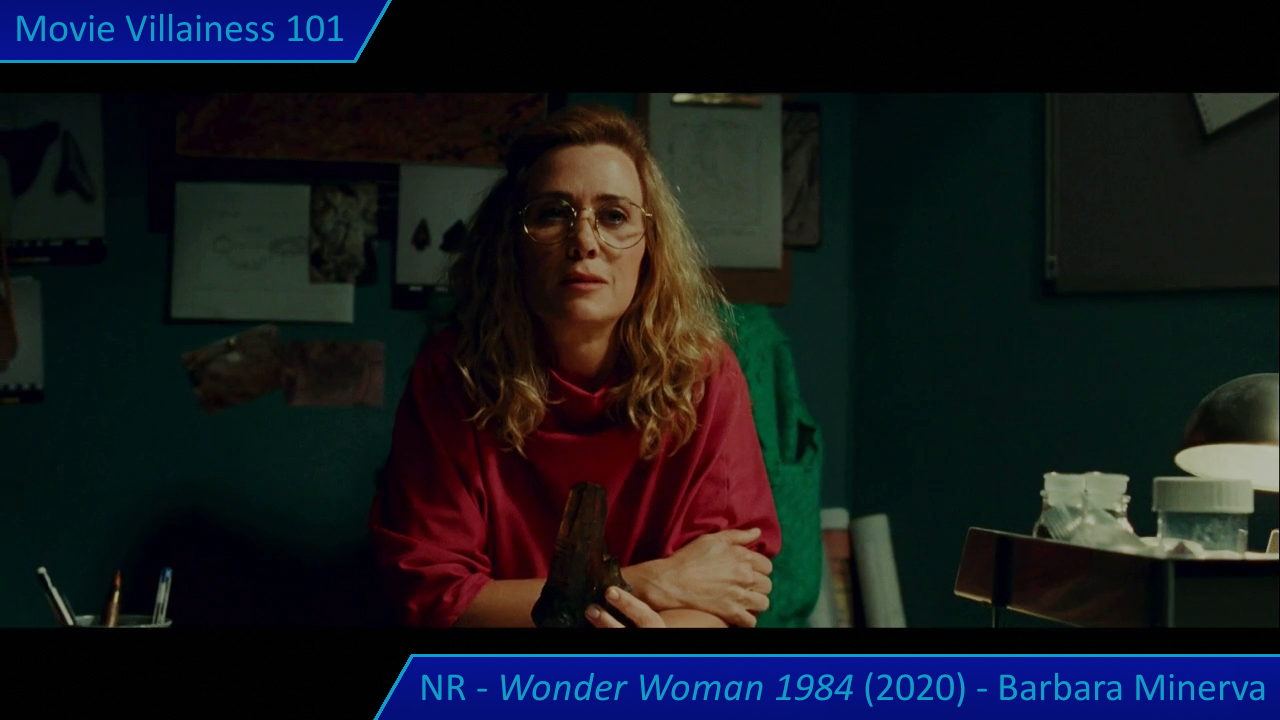
The female antagonist in the sequel – Barbara Minerva, aka Cheetah – gets a lot more screen time, though she doesn’t take on her villainous persona until the third act. For most of the movie, the chief bad guy is Maxwell Lord: a power-mad businessman obsessed with a mystical artifact called the Dreamstone. The crystal has the power to grant its user a single wish, though it takes something they value in return. Things become desperate when Lord becomes the Dream Stone and abuses its power for his own ends.
Before all that, the timid Barbara wishes to be like Diana Prince (Wonder Woman), which grants her superhuman strength at the cost of humanity. The adverse effects can be reversed by relinquishing a wish, but Barbara embraces her powers and becomes the iconic feline foe.
Cheetah – and Wonder Woman herself – see little action until the second half. One of the villainess’ best moments is when she confronts a man who molested her and enjoys her revenge as only an evil person could. Like the first DCU film, the ending is CGI-heavy, and this time two women battle it out. The confrontation is brief, and Barbara reverts to her human form when it’s over.
 Action Girl Books