Movie
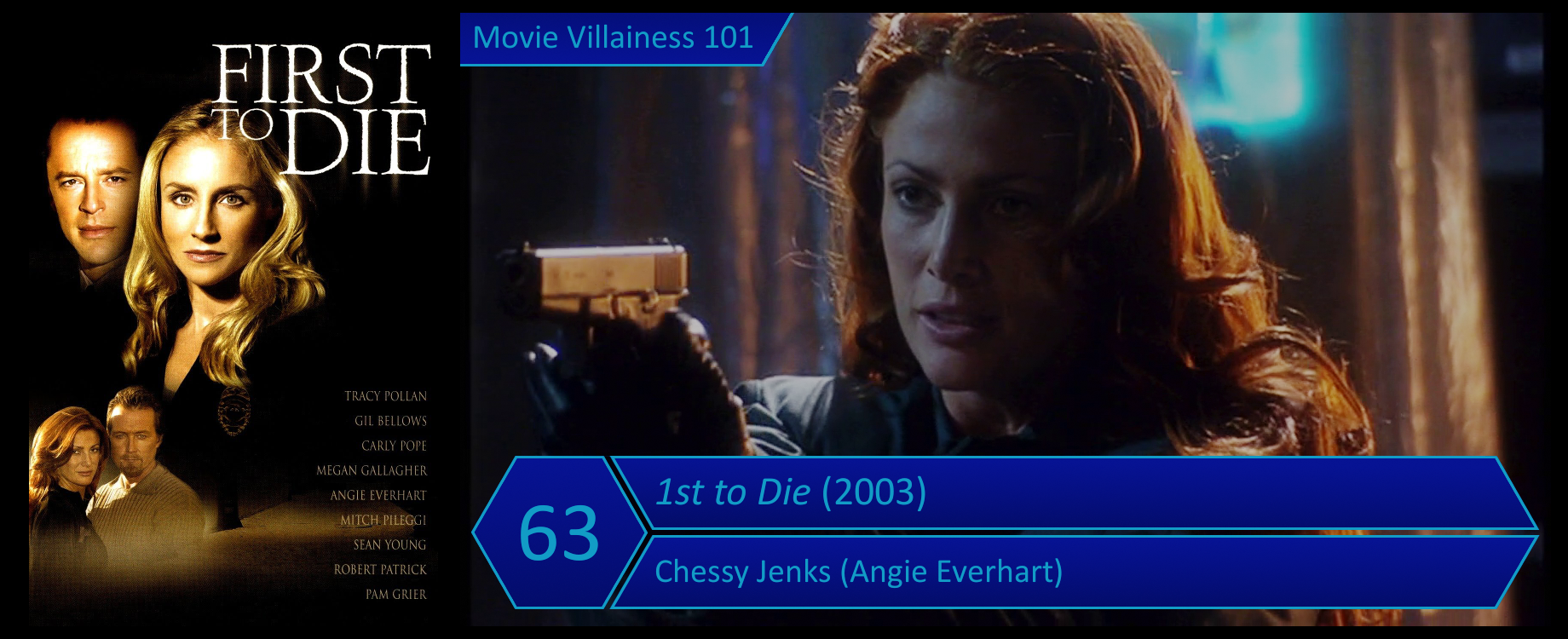
1st to Die (2003)
James Patterson’s Women’s Murder Club novels were adapted for ABC TV in the late 2000s, but before that, the first book got the NBC miniseries treatment. Inspector Lindsay Boxer (Tracy Pollan) and her partner investigate the murder of a high-profile groom and his bride shortly after their wedding. Initial enquiries lead to inevitable dead ends, then Lindsay discovers the deceased couple are missing their rings, and a serial killer is only just getting started.
Other main characters are an assistant district attorney, a newspaper reporter, and a medical examiner. The four women create an informal discussion group (the murder club) and set about solving the crimes. The killer bumps off three unlucky couples before Lindsay uncovers a solid lead. This leads her to crime author Nicholas Jenks (Robert Patrick), who becomes the prime suspect.
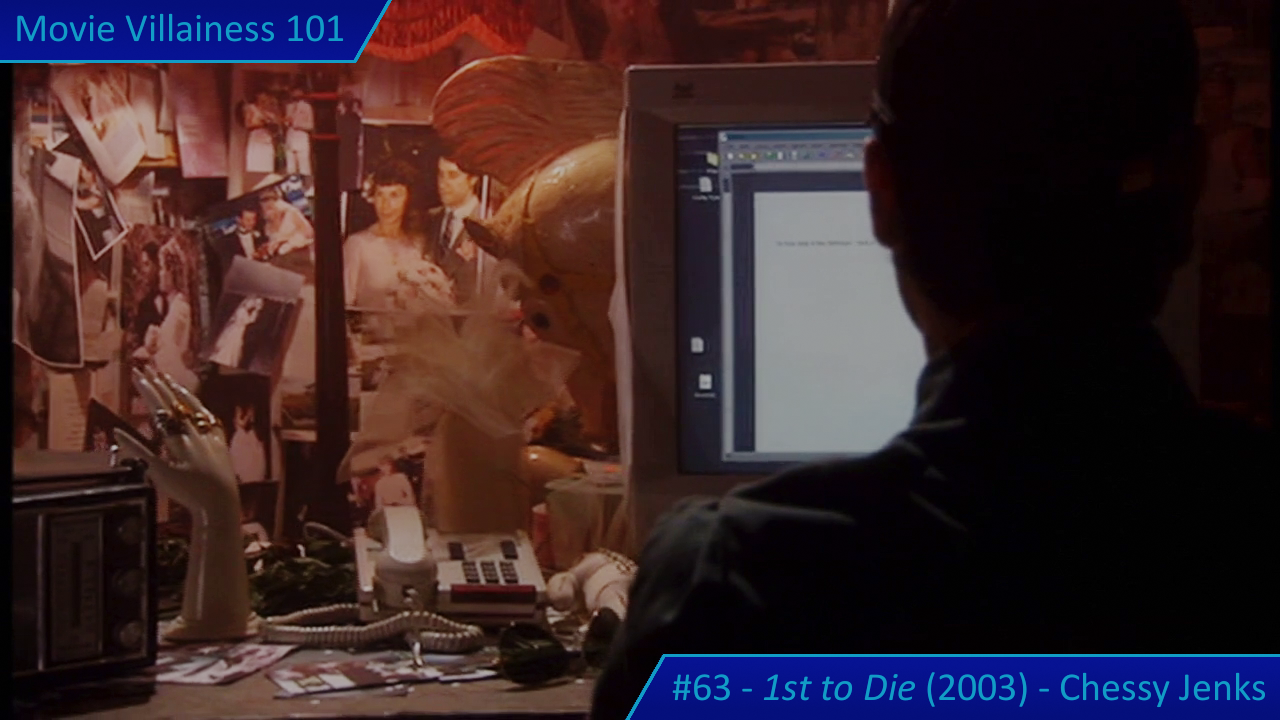
All the physical evidence points to him, as does footage of a bearded male recorded at a brutal nightclub slaying. Following his arrest, fresh evidence suggests Jenks is being framed by a female killer. As expected from a Patterson crime novel, there are many twists before the resolution.
A dull subplot involves Boxer’s worsening blood disorder and doesn’t add much to the story. The romance with her partner is mostly predictable, but plays an important role later on.
Villainess
Chessy Jenks (Angie Everhart)

Chessy has little dialogue and is often a beautiful background figure whenever the police question Jenks. His fitness instructor ex-wife becomes a suspect when the club realises they’re after a female perpetrator. However, she turns up dead after Jenks escapes police custody.
The final showdown (for Chessy, at least) has Jenks and the police confronting her in a museum. There’s a very good unmasking scene as the murderess removes a well-designed prosthetic face. Chessy’s background in makeup allowed her to impersonate her husband effectively, and – for once – they didn’t swap actors halfway through the reveal scene. There’s some minimal action before Chessy is killed in a shootout that also claims the life of Boxer’s lover.

Since there are ten minutes left, viewers assuming a final twist will be right, and it’s expected the Robert Patrick character ends up being the villain. The revelation is that he controlled Chessy into committing the murders, which is far-fetched as anyone that unstable would make a poor proxy. Boxer finishes the baddie off in a bruising confrontation that she barely survives. Too bad they didn’t include more action for the wife.
Honourable Mentions: Male Disguises
Inner Sanctum II (1994) – Sharon Reed (Sandahl Bergman)
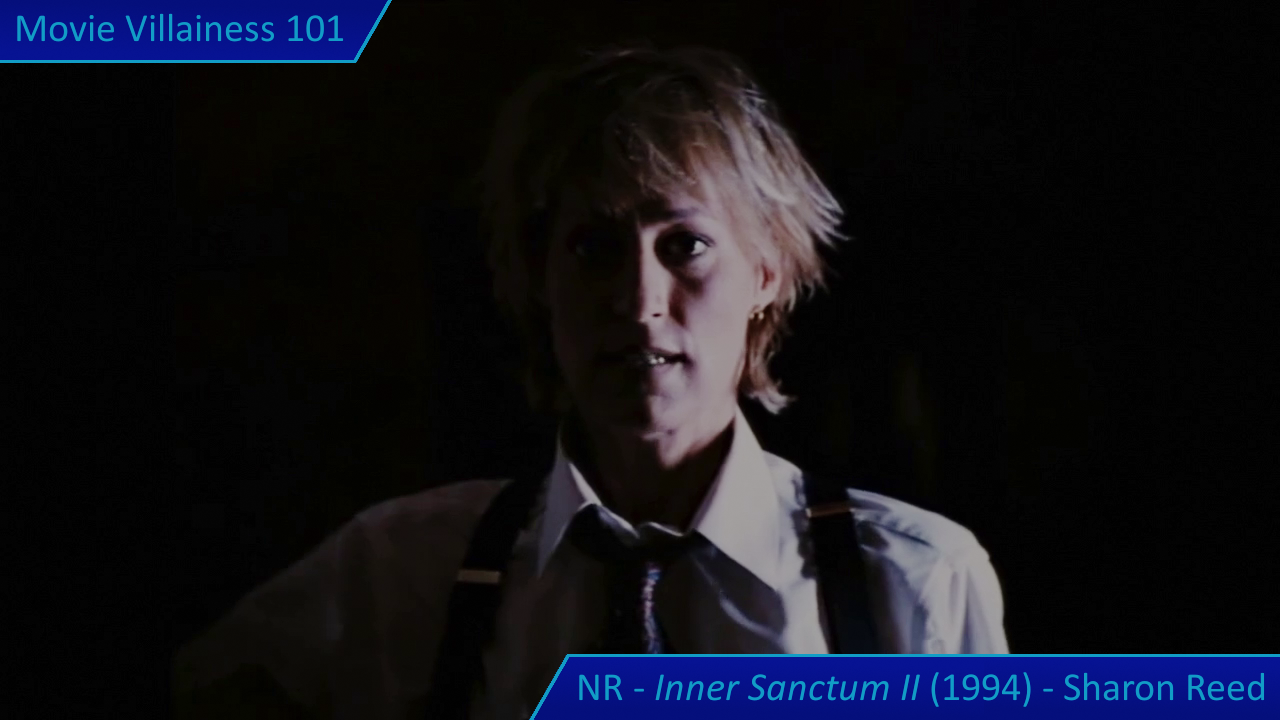
A murder mystery whose solution should be obvious from the outset. Does Sandahl Bergman ever not play a villainess? This sequel to Inner Sanctum (1991) has some decent kills, but all the action is reserved for the final half-hour. Abundant sex in this erotic thriller, but only one scene I’d class as overlong and softcore, so it’s still eligible for inclusion.
The heroine – who killed her treacherous husband in the first movie – is having nightmares about zombie hubby screwing her sister Sharon. Yes, there’s some weird stuff here. Her live-in nurse and family do their best to look suspicious, and a time-filler side plot about a secret fortune pads out the film until things get interesting.
In the space of about 20-30 minutes, there are four murders and a meat hook-wielding “zombie” stalker who unmasks herself as Sharon. A decent catfight follows, ending with the murderess pushed through a high window. Had the first two-thirds been that thrilling, this could have earned a ranking spot, but it’s too little too late.
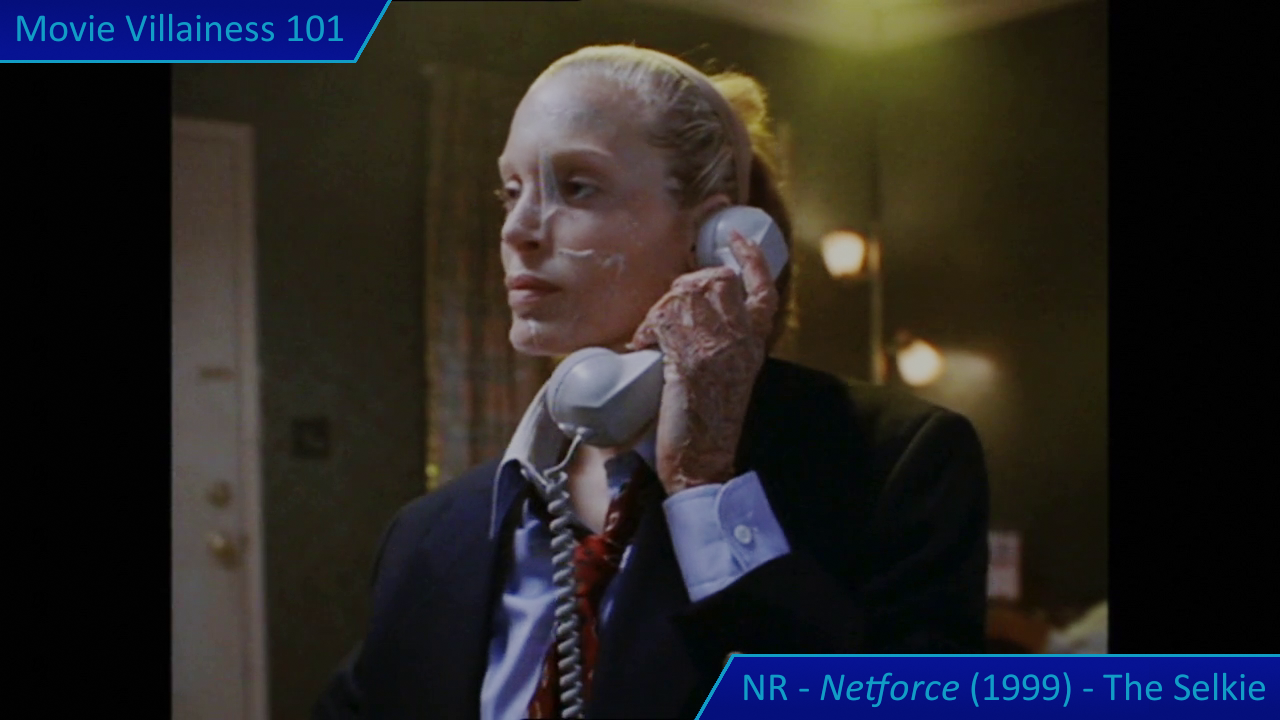
NetForce (1999) – The Selkie (Odile Broulard)
Based on a Tom Clancy novel, this is – you guessed it – a techno-thriller about a US cybersecurity force. The antagonists: a criminal group attempting to destroy the Internet. As you’ve probably gathered, the computers in this movie bear no resemblance to real life. Virtual reality sessions take place in actual locations, and the hero converses with a digital AI “ghost” of his murdered boss. Naturally, the enemy hacker has no trouble breaching White House security.
There are two female villains. One is rarely seen and lets her male counterparts do all the shooting. Her only noteworthy scene is when she’s part of an assault team wearing gas masks, before she dies in an explosion.
The other villainess is more interesting: an assassin and mistress of disguise, who makes several attempts on the main character’s life. Early on, she infiltrates a hotel suite as a hooker to bump off a mafia don. To escape, she wears a male prosthetic mask that’s surprisingly realistic. She later impersonates the heroine, but the last fight is tame, and the disoriented hero defeats a supposedly professional killer.
 Action Girl Books